

Commenti

Gli errori occidentali nella lettura della mente di Putin-Smerdjakov

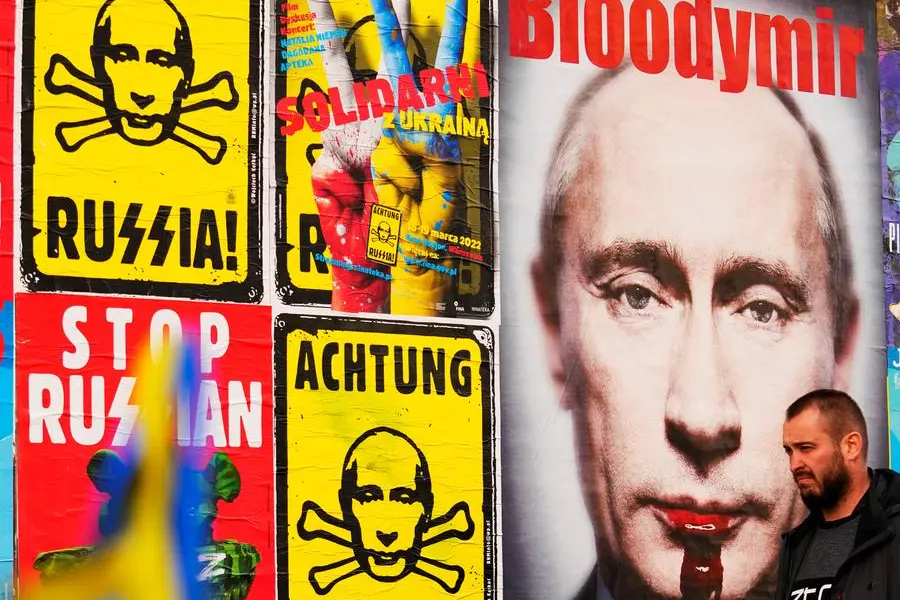
A man walks past a wall with posters depicting Russian President Vladimir Putin in Warsaw, Poland, on Thursday, March 24, 2022. Ukraine President Volodymr Zelenskyy called on people worldwide to gather in public Thursday to show support for his embattled country as he prepared to address U.S. President Joe Biden and other NATO leaders gathered in Brussels on the one-month anniversary of the Russian invasion. (AP Photo/Petr David Josek)

«Putin è un eccellente imitatore», scrisse Anna Politkovskaja: un personaggio difficile da leggere e decifrare, dal momento che sa indossare abiti altrui, non è nessuno in particolare, e può piacergli tutto. Corre l’anno 2014, l’Ucraina inizia a bruciare, e il filosofo rumeno-americano Costica Bradatan offre una lettura simbolica dei Fratelli Karamazov, chiedendosi come decifrare i tornanti razionalmente meno spiegabili della storia russa. Quando ci si imbatte nella coltivata assenza di car

Per continuare a leggere questo articolo

VAI ALLA PAGINA DELL’AUTORE