

Commenti

Un nuovo mondo arabo è nato dalle ceneri delle primavere fallite

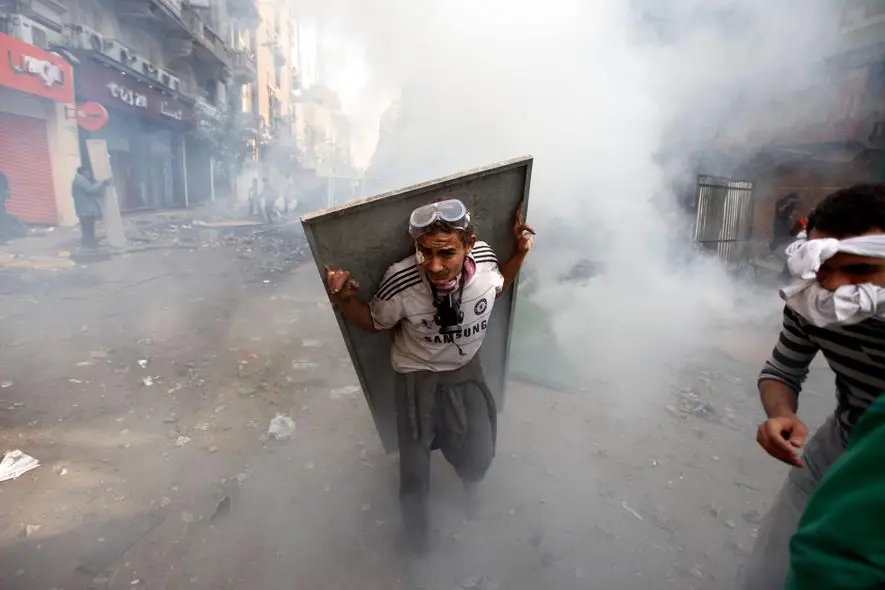
File - In this Wednesday, Nov. 23, 2011 file photo, an Egyptian protester using scrap metal as a shield takes cover from tear gas during clashes with security forces near Tahrir Square in Cairo, Egypt. Ten years ago, an uprising in Tunisia opened the way for a wave of popular revolts against authoritarian rulers across the Middle East known as the Arab Spring. For a brief window as leaders fell, it seemed the move toward greater democracy was irreversible. Instead, the region saw its most destructive decade of the modern era. Syria, Yemen, Libya and Iraq have been torn apart by wars, displacement and humanitarian crisis. (AP Photo/Khalil Hamra, File)
  • Anche se i regimi autoritari sono ancora forti, le società arabe sono cambiate dal di dentro e aspirano alla democrazia.
  • La secolarizzazione avanza e quasi il 20 per cento dei giovani si dichiara senza religione.
  • Gli ostacoli più forti alla democrazia rimangono la mancanza di benessere e lavoro e la sfida del jihadismo.

A dieci anni dalla primavera tunisina e a trenta dalla guerra del Golfo, il mondo arabo si presenta con un’immagine double face. Da una parte a livello politico sembra che poco o nulla sia cambiato: regimi violenti e autoritari continuano a mantenersi saldamente al potere e se lo hanno perso è stata solo una breve parentesi. Le speranze di democrazia (sia quelle endogene delle primavere che quelle importate da fuori) sono tramontate, spesso affogate in bagni di sangue, guerre e terrorismo. Molt

Per continuare a leggere questo articolo

VAI ALLA PAGINA DELL’AUTORE