
la settimana della scienza

La sonda New Horizons è pronta per l’avventura ai confini del sistema solare

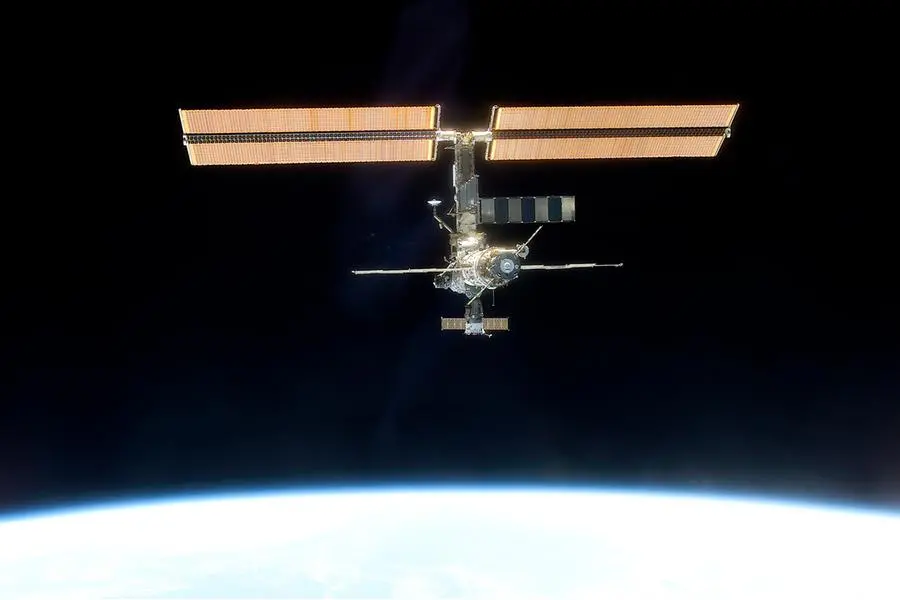
In this photo provided by NASA, the International Space Station, backdropped against black space above Earth's horizon, is seen from the Space Shuttle Discovery on March 19, 2001, after a new crew comprised of cosmonaut Yury Usachev and astronauts James Voss and Susan Helms began several months aboard the station. In the early days of the station, it was a cramped and humid, with just three rooms. It's much larger now, with six sleeping compartments, three toilets, a domed lookout and three high-tech labs. (NASA via AP)
  • La sonda della Nasa New Horizon nel 2015 ci mostrò come non avevamo mai visto il volto di Plutone. Poi venne messa in “letargo”.
  • Ora è giunto il momento di risvegliarla per raccontarci cosa avviene ai confini del sistema solare.
  • Pochi conoscono Kolumbo, un vulcano sottomarino attivo vicino a Santorini, in Grecia. Eppure è da tenere sotto stretta sorveglianza. 

New Horizons è la sonda della Nasa, lanciata nel 2006, che aveva l’obiettivo di sorvolare Plutone, il pianeta nano che non era mai stato raggiunto da altra nave spaziale lanciata dall’uomo. Vi arrivò nel 2015 e, nonostante non sia entrata in orbita, ma abbia solo sorvolato il pianetino, rivelò inaspettati dettagli che ancora oggi sono oggetto di studio dei planetologi. Dopo quell’appuntamento e dopo il sorvolo, nel 2019, di un altro piccolo oggetto posto agli estremi del sistema solare, chiam

Per continuare a leggere questo articolo